
Customs Clearance Engineering Goods Karachi
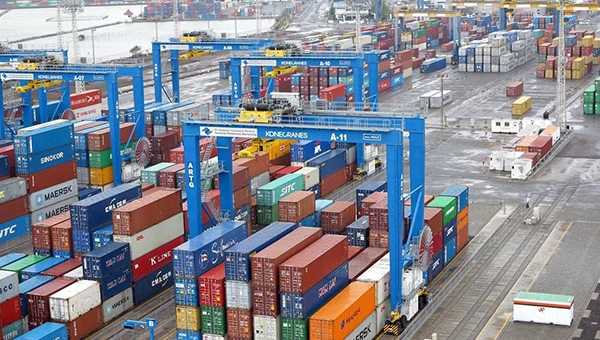
Customs Clearance for Engineering Goods in Karachi – Complete Guide for Importers Introduction Importing engineering goods into Karachi can be a game-changer for your business—but only if your customs clearance process is smooth and efficient. Many importers face delays, penalties, and unexpected costs due to complex regulations and documentation errors. That’s where expert customs clearance for engineering goods in Karachi becomes essential. In this complete guide, you’ll learn everything—from process to pricing—so you can import faster, cheaper, and without stress. What is Customs Clearance for Engineering Goods? Customs clearance is the process of getting imported engineering goods approved and released by authorities after fulfilling all legal and regulatory requirements. Examples of Engineering Goods: Industrial machinery Plant equipment Electrical systems Mechanical tools Construction machinery These imports require:✔ Accurate HS codes✔ Proper documentation✔ Duty & tax compliance Why Customs Clearance is Important in Karachi Karachi is Pakistan’s main import hub, handling shipments through: Karachi Port Port Qasim Key Benefits: ✅ Faster shipment release✅ Avoid demurrage charges✅ Compliance with regulations✅ Cost optimization Step-by-Step Customs Clearance Process in Karachi 1. Document Preparation Required documents include: Commercial Invoice Packing List Bill of Lading Import License NTN & Company Documents 2. HS Code Classification Correct classification determines: Duties & taxes Import restrictions 3. Goods Declaration (GD Filing) Submission in Pakistan Customs system for approval. 4. Duty & Tax Payment Includes: Customs duty Sales tax Additional charges 5. Customs Examination Inspection of goods (if required). 6. Final Clearance & Delivery Goods are released and delivered to your warehouse. Benefits of Hiring a Professional Clearing Agent 🚀 Speed & Efficiency Clear shipments faster with expert handling 💰 Cost Savings Avoid penalties and unnecessary charges 📄 Documentation Accuracy No errors, no delays 🔄 End-to-End Service From port to doorstep delivery Our Customs Clearance Services in Karachi We provide complete solutions for engineering imports: ✔ Industrial machinery clearance✔ Plant & equipment handling✔ Import/export documentation✔ Freight forwarding coordination✔ Port handling & delivery Pricing & Packages (Sample Structure) Service Type Price Range (PKR) Features Basic Clearance 25,000 – 50,000 Documentation + GD Filing Standard Package 50,000 – 100,000 Clearance + Coordination Premium Package 100,000+ End-to-End Logistics (Prices vary based on shipment size and complexity) Comparison: DIY vs Professional Clearance Factor DIY Clearance Professional Service Time Slow Fast Cost Unpredictable Optimized Risk High Low Compliance Difficult Expert-managed In Short (Quick Summary) Customs clearance is critical for engineering imports Errors can lead to delays and extra costs Hiring experts ensures fast, compliant clearance Karachi is the main hub for imports in Pakistan Expert Tips to Avoid Delays ✔ Double-check all documents before shipment✔ Use correct HS codes✔ Plan imports in advance✔ Work with experienced clearing agents Case Study: Successful Engineering Import Clearance Client: Industrial Manufacturer in KarachiChallenge: Shipment stuck due to incorrect HS codeSolution: Reclassified goods correctly Resubmitted documentation Coordinated with customs Result:✔ Clearance completed in 48 hours✔ Saved demurrage costs✔ Client resumed operations quickly FAQs (AEO Optimized) 1. How long does customs clearance take in Karachi? Typically, customs clearance takes 2 to 5 working days, depending on documentation accuracy and inspection requirements. Delays can occur if paperwork is incomplete or incorrect. 2. What documents are required for engineering goods import? You need a commercial invoice, packing list, bill of lading, import license, and NTN details. Additional documents may be required depending on the product category. 3. What are the main costs in customs clearance? Costs include custom duty, sales tax, clearing agent fees, and port charges. The total depends on the value and type of goods. 4. Can I clear goods without an agent? Yes, but it is risky. Without expertise, you may face delays, penalties, and higher costs due to incorrect documentation or classification. 5. What is an HS code and why is it important? An HS code is a classification system used to determine duties, taxes, and regulations. Incorrect codes can lead to fines or shipment delays. 6. Do engineering goods require special approvals? Some engineering goods may require approvals from regulatory authorities depending on their nature, especially industrial or technical equipment. Customs Clearance for Engineering Goods in Karachi – Complete Guide for Importers Conclusion + CTA Customs clearance for engineering goods in Karachi doesn’t have to be complicated. With the right expertise, you can:✔ Save time✔ Reduce costs✔ Avoid delays 🚀 Get Expert Help Today Need fast and reliable customs clearance? 👉 Contact us now for FREE consultation📲 WhatsApp us for instant response Let experts handle your imports—so you can focus on growing your business. International Shipping Agency Private Limited Any Questions for Business Please contact us Office Address: Al-Hamra Centre, 2nd Floor Office No. 15 to 16 Near Baloch Colony Bridge Main Shaheed-E-Millat Road 74600 Karachiwebsite: https://isapl.pk/
FAQ Customs Clearance Services in Karachi

Documents Required for Customs Clearance

Documents Required for Customs Clearance Services If you’re planning to import or export goods through Karachi, understanding the Documents Required for Customs Clearance in Karachi is crucial. The customs process in Pakistan involves a range of paperwork, approvals, and compliance procedures to ensure smooth shipment clearance. Missing even a single document can lead to costly delays or penalties.At International Shipping Agency (ISAPL), we specialize in providing complete Customs Clearance Services in Karachi, guiding importers and exporters through every documentation and legal step. 🧾 Importance of Customs Documentation Proper documentation ensures that your cargo passes through customs efficiently without unnecessary hold-ups. Customs authorities in Karachi require accurate paperwork to verify product details, value, and origin. By ensuring complete and correct documentation, you can: Avoid shipment delays Prevent fines and demurrage charges Ensure compliance with Pakistan Customs regulations Maintain a transparent import/export record 📄 Essential Documents Required for Customs Clearance in Karachi Below are the most important documents required for Customs Clearance Services in Karachi for both importers and exporters: 1. Bill of Lading (B/L) The Bill of Lading is a key document issued by the shipping line. It serves as a receipt for shipped goods and a contract between the shipper and carrier. Proves ownership of goods Must contain accurate shipment details 2. Commercial Invoice A Commercial Invoice is provided by the exporter, listing details of the goods, quantity, unit price, total value, and trade terms. Customs officials use this to assess duties and taxes. 3. Packing List The Packing List outlines details of how goods are packed, including weight, dimensions, and packaging type. It helps customs officers verify cargo contents during inspection. 4. Import/Export License Importers and exporters in Karachi must possess valid import/export licenses issued by the Trade Development Authority of Pakistan (TDAP) or relevant authority. 5. Certificate of Origin This certificate verifies the origin country of the goods. It is required for customs valuation, trade agreements, and tariff benefits. 6. Insurance Certificate This document provides proof of insurance coverage for goods in transit, safeguarding against damage or loss. 7. Arrival Notice Issued by the carrier or freight forwarder, this document informs the consignee about cargo arrival and helps in arranging customs clearance. 8. GD (Goods Declaration) Form The GD form, submitted electronically via Pakistan Customs’ WeBOC system, is mandatory for all imports and exports. It includes shipment details, declared value, HS codes, and customs duties. ⚙️ H2: Customs Clearance Process in Karachi. Understanding the customs clearance process is as important as the documents themselves. Step 1 – Documentation Preparation All necessary papers must be accurately filled and verified before submission to avoid rejection or penalties. Step 2 – Customs Assessment Customs officials review submitted documents and assess duties and taxes based on HS codes and declared values. Step 3 – Examination & Inspection Depending on the cargo type, customs may physically inspect the goods to confirm compliance with documentation. Step 4 – Payment of Duties The importer/exporter pays applicable customs duties, sales tax, and other charges via WeBOC. Step 5 – Cargo Release Once payment is confirmed and documentation cleared, the goods are released for delivery to the final destination. Why Choose ISAPL for Customs Clearance Services in Karachi At International Shipping Agency (Private) Limited, we provide professional Customs Clearance Services in Karachi that ensure smooth and fast clearance. Our experienced team assists with: Document preparation and submission WeBOC filing and GD form support Coordination with customs officers Duty calculation and payment management Compliance with import/export regulations Our expertise saves you time, reduces stress, and prevents costly errors during the customs process. ❓ Frequently Asked Questions (FAQ) 1 What documents are mandatory for customs clearance in Karachi? Key documents include the Bill of Lading, Commercial Invoice, Packing List, GD Form, and Certificate of Origin. 2 Can ISAPL handle customs clearance for both import and export shipments? Yes, we provide comprehensive customs clearance services for both importers and exporters across Pakistan. 3 How long does customs clearance take in Karachi? Typically, customs clearance can take 1–3 working days, depending on document accuracy and cargo type. 4 What happens if my documents are incomplete? Incomplete or incorrect documentation can lead to shipment delays, fines, or even confiscation of goods. 🚀 Call-to-Action (CTA) Ready to clear your shipments without hassle?📞 Contact International Shipping Agency (Private) Limited today for expert Customs Clearance Services in Karachi. Phone: +92-21-34380202Mobile: 0301-3347044Email: info@isapl.pkWebsite: www.isapl.pk Let our experts handle your documentation and ensure smooth cargo movement from port to warehouse!
Cargo Handling and Customs Clearance Services in Karachi
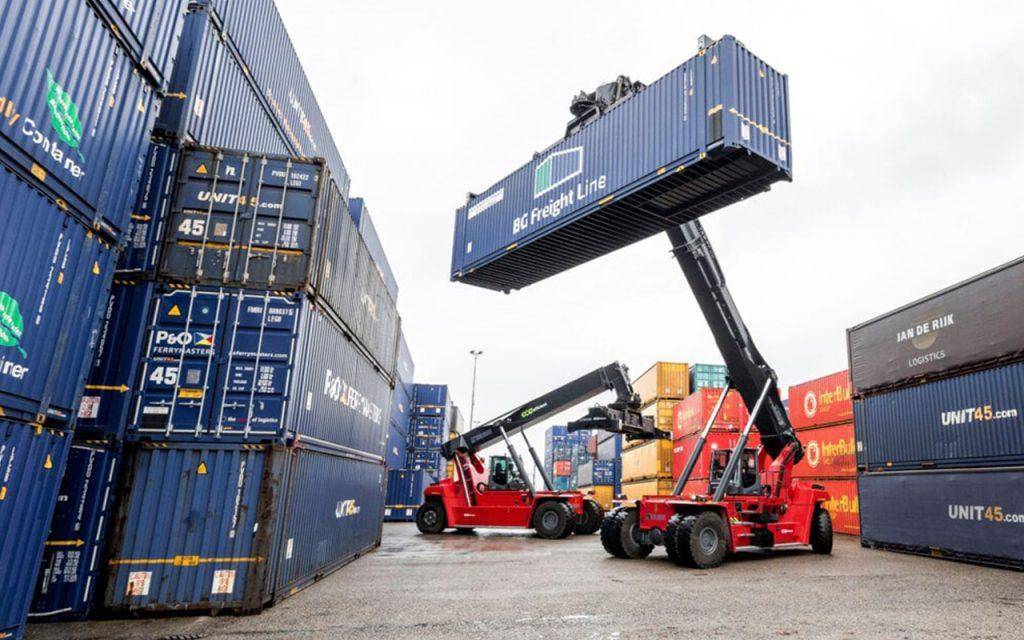
Cargo Handling & Customs Clearance Services in Karachi Efficient cargo movement is the backbone of global trade, and at International Shipping Agency Private Limited, we provide professional Cargo Handling and Customs Clearance Services in Karachi to ensure your goods are delivered safely, quickly, and without delays. Our experienced team manages the entire process—from documentation to customs clearance and cargo transportation—allowing you to focus on your business while we handle the complexities of logistics. Comprehensive Cargo Handling Solutions Cargo handling is not just about moving shipments from one point to another—it involves careful planning, compliance, and coordination. That’s why businesses across Pakistan trust us for their logistics needs. Our Customs Clearance Services in Karachi are designed to make the import and export process seamless. Whether your cargo arrives by sea, air, or road, our team ensures smooth cargo handling and timely delivery. We specialize in both bulk shipments and containerized cargo, offering customized solutions for industries such as textiles, chemicals, consumer goods, and machinery. Why Our Customs Clearance Services in Karachi Matter Customs clearance is often the most challenging part of international trade. Without the right expertise, shipments can face delays, penalties, or additional charges. By choosing our Customs Clearance Services in Karachi, you gain: Hassle-free documentation and compliance with Pakistan Customs regulations Quick clearance of imports and exports at Karachi Port and Airport Accurate tariff classification and duty/tax calculation Professional advice on HS codes, exemptions, and trade policies Cost-effective logistics solutions that save time and money Our Cargo Handling & Clearance Process Import Cargo Handling We manage unloading, customs inspection, duty/tax payments, and clearance for all imported goods, ensuring your cargo is released without delays. Export Cargo Handling From documentation to port clearance, we streamline the process so your export shipments reach international destinations smoothly. Warehousing & Distribution We provide safe storage and timely distribution of goods through our network of warehouses in Karachi, supported by efficient road freight services. Benefits of Choosing Us for Cargo Handling in Karachi End-to-end logistics under one roof Reduced risk of delays and penalties Transparent and competitive pricing 24/7 customer support and shipment updates Trusted partner for importers and exporters across Pakistan Cargo handling on a ship is the process of loading, stowing, securing, and unloading cargo safely and efficiently. The term “cargo” refers to the goods or materials being transported by the ship, which can include a wide range of items, from containers and bulk commodities to vehicles and general cargo. Proper cargo handling is crucial to ensure the safety of the ship, its crew, and the cargo, as well as to maintain the integrity of the goods being transported. Here are the key aspects of cargo handling on a ship: Cargo Types: Ships carry various types of cargo, and each type requires specific handling methods. Common cargo categories include: Containerized Cargo: Goods loaded into standardized shipping containers. Bulk Cargo: Loose, uncontainerized cargo like grain, coal, or ore. General Cargo: A mix of packaged and unpackaged goods. Ro-Ro Cargo: Vehicles and equipment that can be driven on and off the ship. Specialized Cargo: Oversized, heavy, or hazardous cargo that demands unique handling procedures. Loading and Stowing: Cargo is loaded onto the ship at the port of departure. The cargo plan, developed by the ship’s officers, specifies the location of each item within the ship’s holds or on deck. Proper stowing ensures that the ship remains stable and balanced during the voyage. Securing Cargo: Cargo needs to be securely lashed, strapped, or otherwise fastened to prevent shifting during transit, which can lead to accidents or damage. This is especially important for bulk and containerized cargo. Documentation: Detailed cargo documentation, including the bill of lading, manifests, and cargo plans, is crucial for tracking and managing cargo. Accurate records are essential for both shipping companies and customs authorities. Safety Considerations: The safety of the ship and its crew is paramount. Hazards such as flammable or hazardous cargo must be carefully managed, and safety procedures and equipment must be in place to handle emergencies. Container Handling: Containerized cargo, the most common type, requires specialized equipment such as container cranes or straddle carriers to load and unload containers efficiently. Ballast and Stability: Proper ballasting (the use of water or other materials to maintain balance) is essential to ensure the ship remains stable throughout the voyage, especially when cargo is loaded or unloaded. Cargo Inspections: Cargo may be subject to inspections by customs authorities or other regulatory agencies, so it’s important to ensure that cargo is properly declared and that any required inspections are facilitated. Deballasting: After cargo is unloaded, ballast water may need to be pumped in to replace the weight of the cargo, maintaining the ship’s stability for the return voyage. Environmental Responsibility: Cargo handling must be conducted with an awareness of the environmental impact. It’s important to prevent cargo spillage or pollution, especially for bulk or hazardous cargo. Temperature Control: For certain goods, such as refrigerated cargo (reefer containers), maintaining the correct temperature is crucial to preserve the quality of the cargo. Proper cargo handling procedures are essential to ensure the safety, efficiency, and profitability of shipping operations. These procedures are carried out by a combination of ship’s crew, stevedores (port workers who load and unload cargo), and specialized equipment. The successful execution of cargo handling procedures requires careful planning, coordination, and adherence to international regulations and safety standards. ❓ Frequently Asked Questions (FAQ) 1 What services are included in cargo handling? Answer: Cargo handling includes unloading, loading, storage, customs clearance, documentation, and safe transportation of goods. 2 Why are Customs Clearance Services in Karachi important for cargo handling? Answer: Customs clearance ensures compliance with trade regulations, allowing cargo to be released quickly and avoiding delays or penalties. 3 How long does cargo clearance take in Karachi? Answer: Depending on shipment type and documentation accuracy, clearance usually takes 24 to 72 hours. 4 Do you handle both imports and exports in Karachi? Answer: Yes, we provide complete cargo handling and Customs Clearance Services in Karachi
Customs Clearance of Imports & Exports

Customs Clearance of Imports and Exports Services in Karachi At International Shipping Agency Private Limited, we provide reliable Customs Customs Clearance of Imports and Exports Services in Karachi to simplify import and export processes for businesses of all sizes. With our expert knowledge of customs regulations, documentation, and clearance procedures, we ensure your cargo moves smoothly without delays or penalties. Why Choose Our Customs Clearance Services? Fast and hassle-free clearance at Karachi Port & Airport Experienced team of licensed customs agents Accurate documentation and compliance with customs laws Affordable and transparent service charges End-to-end import & export logistics support Our Customs Clearance of Imports and Exports Solutions Customs Clearance of Imports and Exports in Karachi We manage all import documentation, duty/tax assessments, and coordination with Pakistan Customs to ensure timely cargo release. Best Export Customs Clearance Services in Karachi Our experts handle paperwork, certifications, and port clearance for smooth international shipments. Customs Brokerage & Consultancy Get professional advice on HS codes, exemptions, tariff calculations, and compliance to avoid costly errors. Benefits of Hiring a Customs Clearance Agent in Karachi Avoid shipment delays and penalties Ensure compliance with Pakistan Customs rules Reduce logistics costs Focus on your business while we manage customs formalities Customs clearance is a crucial process in the international trade of goods, involving the submission of documentation and payment of duties and taxes to gain permission from a country’s customs authorities to import or export products. Here’s an overview of the customs clearance process for imports and exports: For Imports: Document Preparation: Importers or their customs brokers must prepare essential documents, which typically include: Commercial Invoice: Details the goods, their value, and the terms of the sale. Bill of Lading/Airway Bill: Proves ownership and acts as a receipt for the goods. Packing List: Describes the contents and packaging of the shipment. Importer Security Filing (ISF): Required for U.S. imports and provides advance information about the shipment. Other documents as required by the specific country’s regulations. Customs Entry: The importer or their customs broker submits an entry to the customs authorities. This document declares the nature, value, and origin of the goods. Duty and Tax Calculation: Customs authorities assess duties, taxes, and fees based on the declared value, the Harmonized System (HS) code, and any applicable trade agreements or preferences. Customs Examination: The customs authorities may inspect the goods to verify their accuracy and conformity with the declaration. Payment: Importers must pay any assessed duties and taxes before customs release the goods. Release: Once all requirements are met, customs authorities release the goods to the importer. For Exports: Document Preparation: Exporters or their agents must prepare essential documents, including: Commercial Invoice: Details the goods, their value, and the terms of the sale. Bill of Lading/Airway Bill: Proves ownership and serves as a receipt for the goods. Export License (if required): Some goods may require export licenses. Export Declaration: A document declaring the exportation of goods. Customs Declaration: Exporters or their agents submit the necessary documentation to customs authorities, declaring the goods to be exported. Compliance Checks: Customs authorities review the documentation to ensure compliance with export regulations and may inspect the goods in some cases. Duty and Tax Refunds: In some cases, exporters can apply for refunds of previously paid import duties and taxes if the goods are being re-exported. Security and Documentation Review: Depending on the country and the nature of the goods, additional security checks may be conducted. Release: After satisfying all export requirements, customs authorities permit the goods to leave the country. Customs clearance processes can be complex and vary from one country to another. Importers and exporters often hire customs brokers or freight forwarders who specialize in navigating these processes. These professionals have expertise in customs regulations, documentation, and dealing with customs authorities to ensure the efficient and compliant movement of goods across international borders. Additionally, customs authorities use advanced electronic systems for the submission and processing of customs declarations, further streamlining the customs clearance process. ❓ Frequently Asked Questions (FAQ) 1 What are Customs Clearance Services in Karachi? Answer: Customs clearance services cover all procedures related to import/export documentation, duties, and compliance with Pakistan Customs laws. 2 How long does customs clearance take in Karachi? Answer: Depending on shipment type and documentation, clearance usually takes 24 to 72 hours. 3 Do I need a customs agent for imports and exports? Answer: Yes, a licensed customs agent ensures faster clearance, accurate documentation, and full compliance with regulations. 4 What documents are required for customs clearance? Answer: Bill of Lading/Airway Bill, Commercial Invoice, Packing List, Import/Export Permit, Certificate of Origin, and HS Code Declaration. 5 Q5: How much does customs clearance cost in Karachi? Answer: Costs vary based on shipment size, type, and documentation. Contact us at +92-21-34380202 or 0332-2534876 for a quote. 📢 Get Professional Customs Clearance Services in Karachi Today! Looking for fast and reliable customs clearance for imports and exports? At International Shipping Agency Private Limited, our experts manage all formalities so your goods are cleared quickly and efficiently. 📞 Call Us: +92-21-34380202📱 Mobile: 0332-2534876📧 Email: info@isapl.pk🌐 Website: www.isapl.pk 🚀 Request a Free Quote Now – Let’s Move Your Business Forward!
Logistics Services in Karachi

At International Shipping Agency Private Limited, we offer complete Logistics Services in Karachi designed to meet the needs of importers, exporters, and local businesses. From customs clearance and freight forwarding to warehousing and inland transportation, we provide end-to-end supply chain solutions that save time and reduce costs. Why Choose Our Logistics Services? Fast & reliable cargo handling Sea, air, and road freight services Licensed customs clearance agents Secure warehousing and distribution facilities Cost-effective supply chain management Our Logistics Solutions in Karachi Freight Forwarding Services We provide international sea and air freight forwarding, ensuring safe and timely shipment of your cargo worldwide. Customs Clearance Services Our expert agents handle all import/export documentation, duties, and compliance with Pakistan Customs regulations. Warehousing & Distribution We offer secure warehousing in Karachi, along with packaging, labeling, and distribution support. Transportation Services Our fleet provides nationwide road freight solutions for safe and efficient cargo delivery. Benefits of Our Logistics Services End-to-end supply chain support Reduced logistics costs Hassle-free documentation & compliance Real-time shipment tracking Customized solutions for every business sector Logistics is a crucial industry that plays a significant role in the movement of goods and materials, and it’s vital for the economy of any country. To be successful in the logistics industry, you should focus on a few key areas: Efficient Transportation: Ensure that you have a well-organized transportation network that can move goods swiftly and cost-effectively. This might include road transport, shipping, airfreight, and rail, depending on your capabilities and customer needs. Warehousing and Storage: Provide secure and efficient storage solutions for your customers. Proper warehousing can help reduce costs and ensure timely delivery. Supply Chain Management: Offer supply chain management services to help your clients streamline their operations and reduce their operational costs. Customs Clearance and Documentation: Navigate the often complex world of customs and documentation to ensure smooth international shipping. Technology and Tracking: Invest in technology and tracking systems that allow you and your clients to monitor the movement of goods in real-time. This can greatly improve customer satisfaction. Customer Service: Excellent customer service is crucial. Ensure your clients can easily reach out for inquiries, updates, or to resolve any issues. Safety and Security: Safety is paramount, especially in the transportation and storage of goods. Implement rigorous safety and security measures to protect both your employees and your clients’ cargo. Environmental Responsibility: Consider the environmental impact of your operations and work towards more sustainable logistics practices, which can also be a selling point for eco-conscious clients. Insurance: Offer insurance options for cargo, as this can provide peace of mind to your clients. Market and Competition Analysis: Continuously analyze the market and keep an eye on your competition. Stay adaptable and be ready to adjust your services to meet changing market demands. Remember that successful logistics businesses are built on reliability, efficiency, and trust. If you can consistently deliver on these fronts, you’ll likely build a strong reputation and a loyal customer base. ❓ Frequently Asked Questions (FAQ) At International Shipping Agency Private Limited, we specialize in providing complete Logistics Services in Karachi for importers, exporters, and local businesses. With years of experience in freight forwarding, customs clearance, warehousing, and transportation, we ensure smooth cargo handling at every step. Our professional team understands the challenges of international trade and offers customized Logistics Services in Karachi to meet your unique requirements. Whether you need sea freight, air freight, or road transportation, we provide reliable solutions that save you time and costs. We also offer secure warehousing and distribution facilities to support your supply chain. Our dedicated staff manages all documentation and customs formalities, making our Logistics Services in Karachi a one-stop solution for businesses of all sizes. Choosing the right logistics partner is essential for growth, and that’s why our clients trust us for professional and cost-effective Logistics Services in Karachi. From small shipments to large-scale consignments, we guarantee safe, efficient, and timely delivery. If you are looking for trusted Logistics Services in Karachi, contact us today for a free consultation and let us handle your supply chain with expertise and care. 1 What logistics services do you provide in Karachi? Answer: We offer freight forwarding, customs clearance, warehousing, packaging, and transportation services. 2 Do you handle both imports and exports? Answer: Yes, we manage logistics for both imports and exports, ensuring smooth international trade operations. 3 Can you arrange warehousing in Karachi? Answer: Yes, we provide secure warehousing facilities for short-term and long-term storage of goods. 4 Do you provide nationwide delivery? Answer: Yes, we offer road freight transportation across Pakistan to move goods safely and on time. 5 How can I get a logistics service quote in Karachi? Answer: You can call us at +92-21-34380202 or 0332-2534876 for a free consultation and customized logistics quote. 📢 Partner with the Leading Logistics Services Provider in Karachi Looking for reliable logistics services in Karachi to manage your imports, exports, and supply chain? At International Shipping Agency Private Limited, we provide customized logistics solutions that ensure efficiency, compliance, and cost savings. 📞 Call Us: +92-21-34380202📱 Mobile: 0332-2534876📧 Email: info@isapl.pk🌐 Website: www.isapl.pk 🚀 Request Your Free Logistics Quote Today – Let’s Grow Your Business Together!