
Ocean Freight
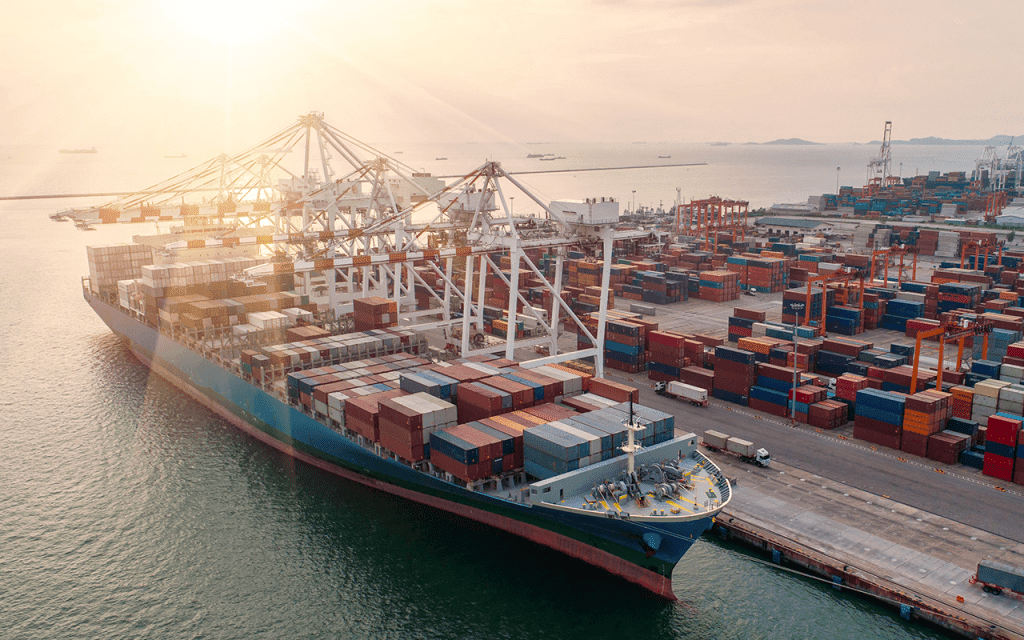
Ocean freight, also known as sea freight, is a method of transporting goods and cargo across the world’s oceans using ships or vessels. It is one of the oldest and most economical modes of international transportation and plays a vital role in global trade and commerce. Here are some key points to understand about ocean freight: Types of Cargo: Ocean freight is used to transport a wide range of cargo, including manufactured goods, raw materials, vehicles, machinery, perishable goods, bulk commodities (such as oil and coal), and more. It is especially suitable for goods that are not time-sensitive. Containerization: A significant portion of ocean freight utilizes standardized shipping containers, typically 20-foot and 40-foot containers, along with specialized equipment for temperature-controlled cargo (reefer containers) and oversized cargo (flat racks and open-top containers). Containerization simplifies handling and offers security and efficiency in loading and unloading. Shipping Routes: There are established shipping routes that connect major ports and regions worldwide. Some routes are busier and more established than others, depending on trade flows and economic activity. These routes are serviced by various shipping lines and carriers. Container Ships: The majority of ocean freight is carried on container ships, which are designed to carry large quantities of standardized containers. These ships come in various sizes, from small feeder vessels to ultra-large container vessels that can carry thousands of containers. Bulk Carriers: Bulk carriers are specialized ships used to transport bulk cargo such as grains, minerals, coal, and oil. They are not containerized and are loaded directly into the ship’s hold. Roll-on/Roll-off (Ro-Ro) Ships: Ro-Ro ships are designed for the transportation of vehicles and machinery. Cargo is driven on and off the ship, making it suitable for cars, trucks, and heavy equipment. Break-Bulk Shipping: Some cargo, such as heavy machinery or large project cargo, cannot be containerized and is transported using break-bulk methods, where individual pieces of cargo are loaded and secured on the ship. Liner and Tramp Services: Liner services offer regularly scheduled departures and routes, making them suitable for standard cargo. Tramp services are more flexible, offering irregular or charter services for non-standard cargo. Transshipment: In some cases, cargo may need to be transshipped at a hub port before reaching its final destination. Transshipment involves unloading the cargo from one ship and loading it onto another for the onward journey. Ocean Freight Costs: The cost of ocean freight is influenced by factors such as cargo volume, weight, distance, shipping route, fuel prices, and the chosen shipping line or carrier. Freight rates can vary significantly. Customs and Documentation: Proper documentation and customs clearance are essential for international ocean freight. This includes bills of lading, cargo manifests, and compliance with customs regulations and trade requirements. Environmental Concerns: The maritime industry is increasingly focused on environmental sustainability, with efforts to reduce emissions and improve fuel efficiency in ocean vessels. Ocean freight is a critical part of the global supply chain and enables the movement of goods on a large scale. It provides access to international markets, allowing businesses to trade goods across continents and ensuring the availability of products from around the world.
Cargo Handling and Customs Clearance Services in Karachi
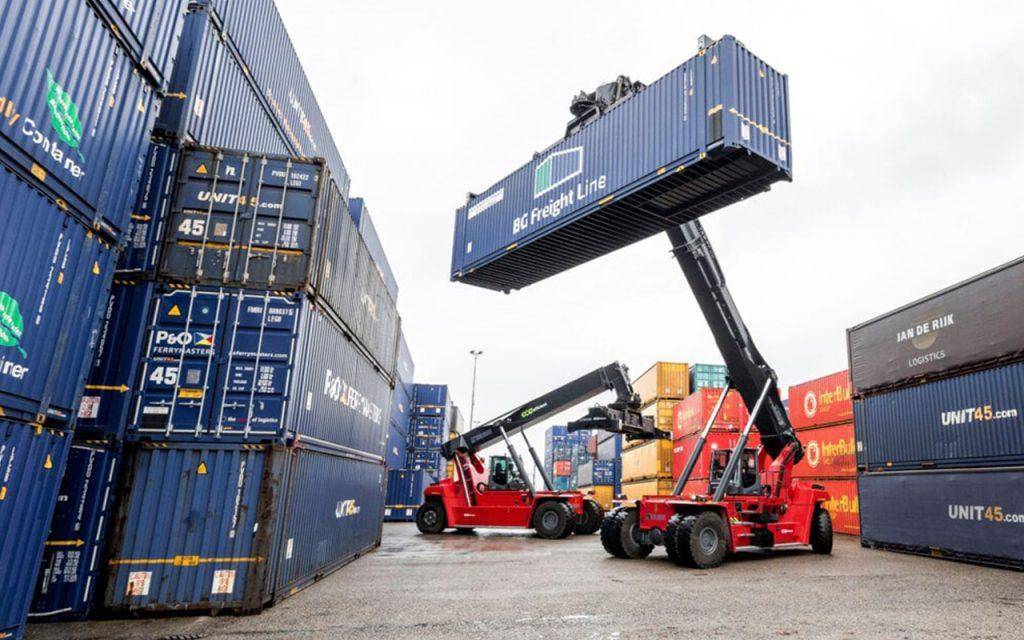
Cargo Handling & Customs Clearance Services in Karachi Efficient cargo movement is the backbone of global trade, and at International Shipping Agency Private Limited, we provide professional Cargo Handling and Customs Clearance Services in Karachi to ensure your goods are delivered safely, quickly, and without delays. Our experienced team manages the entire process—from documentation to customs clearance and cargo transportation—allowing you to focus on your business while we handle the complexities of logistics. Comprehensive Cargo Handling Solutions Cargo handling is not just about moving shipments from one point to another—it involves careful planning, compliance, and coordination. That’s why businesses across Pakistan trust us for their logistics needs. Our Customs Clearance Services in Karachi are designed to make the import and export process seamless. Whether your cargo arrives by sea, air, or road, our team ensures smooth cargo handling and timely delivery. We specialize in both bulk shipments and containerized cargo, offering customized solutions for industries such as textiles, chemicals, consumer goods, and machinery. Why Our Customs Clearance Services in Karachi Matter Customs clearance is often the most challenging part of international trade. Without the right expertise, shipments can face delays, penalties, or additional charges. By choosing our Customs Clearance Services in Karachi, you gain: Hassle-free documentation and compliance with Pakistan Customs regulations Quick clearance of imports and exports at Karachi Port and Airport Accurate tariff classification and duty/tax calculation Professional advice on HS codes, exemptions, and trade policies Cost-effective logistics solutions that save time and money Our Cargo Handling & Clearance Process Import Cargo Handling We manage unloading, customs inspection, duty/tax payments, and clearance for all imported goods, ensuring your cargo is released without delays. Export Cargo Handling From documentation to port clearance, we streamline the process so your export shipments reach international destinations smoothly. Warehousing & Distribution We provide safe storage and timely distribution of goods through our network of warehouses in Karachi, supported by efficient road freight services. Benefits of Choosing Us for Cargo Handling in Karachi End-to-end logistics under one roof Reduced risk of delays and penalties Transparent and competitive pricing 24/7 customer support and shipment updates Trusted partner for importers and exporters across Pakistan Cargo handling on a ship is the process of loading, stowing, securing, and unloading cargo safely and efficiently. The term “cargo” refers to the goods or materials being transported by the ship, which can include a wide range of items, from containers and bulk commodities to vehicles and general cargo. Proper cargo handling is crucial to ensure the safety of the ship, its crew, and the cargo, as well as to maintain the integrity of the goods being transported. Here are the key aspects of cargo handling on a ship: Cargo Types: Ships carry various types of cargo, and each type requires specific handling methods. Common cargo categories include: Containerized Cargo: Goods loaded into standardized shipping containers. Bulk Cargo: Loose, uncontainerized cargo like grain, coal, or ore. General Cargo: A mix of packaged and unpackaged goods. Ro-Ro Cargo: Vehicles and equipment that can be driven on and off the ship. Specialized Cargo: Oversized, heavy, or hazardous cargo that demands unique handling procedures. Loading and Stowing: Cargo is loaded onto the ship at the port of departure. The cargo plan, developed by the ship’s officers, specifies the location of each item within the ship’s holds or on deck. Proper stowing ensures that the ship remains stable and balanced during the voyage. Securing Cargo: Cargo needs to be securely lashed, strapped, or otherwise fastened to prevent shifting during transit, which can lead to accidents or damage. This is especially important for bulk and containerized cargo. Documentation: Detailed cargo documentation, including the bill of lading, manifests, and cargo plans, is crucial for tracking and managing cargo. Accurate records are essential for both shipping companies and customs authorities. Safety Considerations: The safety of the ship and its crew is paramount. Hazards such as flammable or hazardous cargo must be carefully managed, and safety procedures and equipment must be in place to handle emergencies. Container Handling: Containerized cargo, the most common type, requires specialized equipment such as container cranes or straddle carriers to load and unload containers efficiently. Ballast and Stability: Proper ballasting (the use of water or other materials to maintain balance) is essential to ensure the ship remains stable throughout the voyage, especially when cargo is loaded or unloaded. Cargo Inspections: Cargo may be subject to inspections by customs authorities or other regulatory agencies, so it’s important to ensure that cargo is properly declared and that any required inspections are facilitated. Deballasting: After cargo is unloaded, ballast water may need to be pumped in to replace the weight of the cargo, maintaining the ship’s stability for the return voyage. Environmental Responsibility: Cargo handling must be conducted with an awareness of the environmental impact. It’s important to prevent cargo spillage or pollution, especially for bulk or hazardous cargo. Temperature Control: For certain goods, such as refrigerated cargo (reefer containers), maintaining the correct temperature is crucial to preserve the quality of the cargo. Proper cargo handling procedures are essential to ensure the safety, efficiency, and profitability of shipping operations. These procedures are carried out by a combination of ship’s crew, stevedores (port workers who load and unload cargo), and specialized equipment. The successful execution of cargo handling procedures requires careful planning, coordination, and adherence to international regulations and safety standards. ❓ Frequently Asked Questions (FAQ) 1 What services are included in cargo handling? Answer: Cargo handling includes unloading, loading, storage, customs clearance, documentation, and safe transportation of goods. 2 Why are Customs Clearance Services in Karachi important for cargo handling? Answer: Customs clearance ensures compliance with trade regulations, allowing cargo to be released quickly and avoiding delays or penalties. 3 How long does cargo clearance take in Karachi? Answer: Depending on shipment type and documentation accuracy, clearance usually takes 24 to 72 hours. 4 Do you handle both imports and exports in Karachi? Answer: Yes, we provide complete cargo handling and Customs Clearance Services in Karachi
 tips om